
Home Repair Myths That Cost Families Money
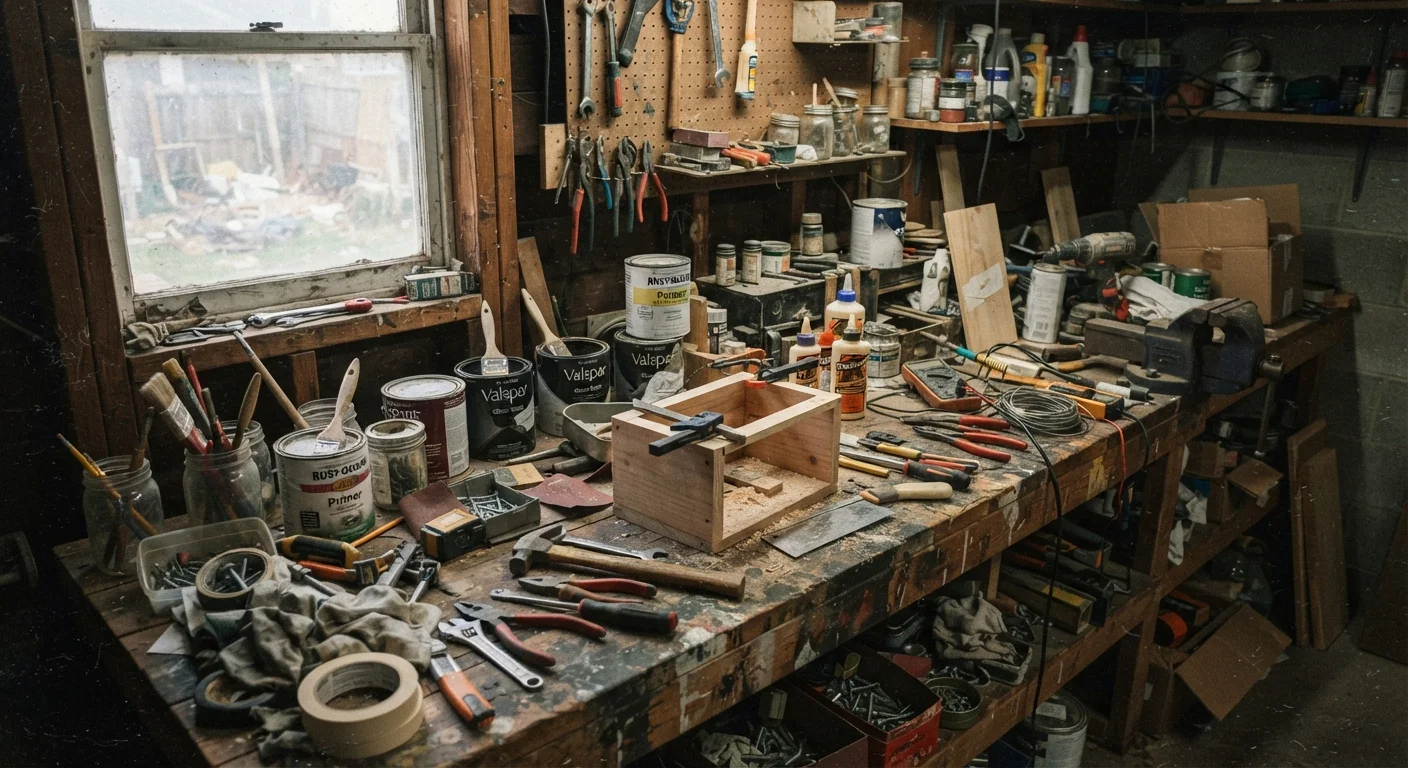
Popular beliefs about DIY fixes and home maintenance that are simply not accurate, and what the evidence actually shows.
Key Takeaways
- Skipping permits to save money often leads to far larger costs during resale or insurance claims.
- Caulking and weatherstripping deliver real energy savings without requiring professional labor.
- Expanding foam sealant is not a universal fix and can cause structural damage if misapplied.
- Higher paint price does not always mean better coverage or durability for every surface.
- Ignoring small plumbing leaks is one of the most common and expensive home maintenance mistakes.
Why home repair myths persist
Home repair advice passes from neighbor to neighbor and generation to generation, often without anyone checking whether it holds up. The result is a set of beliefs that feel like common sense but regularly send families toward unnecessary spending or avoidable damage. This article examines the most costly of those beliefs and sets the record straight with grounded, practical corrections.
For a broader look at how false assumptions drain household budgets, see common money myths families believe.
Myth
You can skip the permit to save money since inspectors never check small jobs anyway.
Fact
Unpermitted work can void homeowner's insurance coverage and create serious legal and financial complications when you sell the property.
Permit fees typically run between $50 and a few hundred dollars depending on the jurisdiction and project scope. That figure looks avoidable until a buyer's inspector flags unpermitted electrical or structural work, triggering a requirement to open walls, redo the work to code, and pay permit fees on top of remediation costs. Some insurance policies also exclude claims related to unpermitted modifications. Local building departments publish permit requirements online, and many routine projects, such as replacing a water heater or adding an outlet, fall within their scope whether homeowners realize it or not.
Myth
Expanding foam sealant fixes any gap or crack around the house and is always safe to use.
Fact
Expanding foam is appropriate for air-sealing gaps in non-structural cavities, but it can damage window frames, warp door jambs, and is unsuitable around certain electrical or plumbing components.
The pressure generated by curing polyurethane foam is enough to bow a window frame out of square, making the window difficult or impossible to open and close properly. Foam also does not adhere well to surfaces that flex, such as areas around pipes exposed to thermal movement. For those applications, flexible caulk or purpose-designed pipe collars are the correct materials. Read product labels and manufacturer guidance before applying foam in any location where movement, heat, or moisture is a factor.
Myth
A dripping faucet is a minor annoyance and not worth repairing right away.
Fact
A faucet dripping at one drop per second wastes roughly 3,000 gallons of water per year, according to the U.S. Environmental Protection Agency, and the underlying cause often worsens without attention.
Beyond the water bill, a dripping faucet usually signals a worn washer, O-ring, or cartridge. Left alone, those components can erode valve seats and other internal parts, turning a $5 washer replacement into a $150 or more cartridge and valve job. In bathrooms and under kitchen sinks, persistent drips also promote mold growth in cabinet interiors, which carries its own remediation costs. Replacing a washer or cartridge is a task most homeowners can handle with basic tools and a replacement part from a hardware store.
Myth
More expensive paint always covers better and lasts longer, so buying the priciest can saves money over time.
Fact
Paint quality matters, but the most expensive product in a line is not always the right match for every surface or application, and coverage depends heavily on surface preparation.
Paint manufacturers offer products formulated for specific surfaces: interior walls, exterior wood, masonry, trim, and so on. Applying a premium interior paint to an exterior surface, or a high-sheen product to a poorly prepared wall, wastes the price premium entirely. The U.S. Department of Housing and Urban Development's guidance on lead paint remediation, for instance, emphasizes surface prep as the determinant of paint adhesion, not the paint brand. Proper cleaning, priming, and sanding produce better results than upgrading to a more expensive product alone. See why DIY paint jobs fail before the first brush stroke for a breakdown of the prep steps that matter most.
Myth
Caulking and weatherstripping are cosmetic fixes that do not meaningfully reduce energy bills.
Fact
The U.S. Department of Energy estimates that sealing air leaks in a typical home can reduce heating and cooling costs by 10 to 20 percent.
Air infiltration through gaps around windows, doors, electrical outlets, and pipe penetrations accounts for a large share of conditioned air loss in most older homes. Caulk and weatherstripping materials cost between $2 and $20 per opening in most cases, and the labor is within reach for most homeowners without professional help. The payback period on materials alone is typically less than one heating season. A room-by-room sealing walkthrough covers where to look and what materials suit each location.
Myth
Any home repair job that looks simple in an online video is safe and legal for a homeowner to do.
Fact
Many tasks that appear simple, including panel wiring, gas line work, and load-bearing structural changes, require licensed trades and permits in most U.S. jurisdictions.
Video tutorials compress complexity and skip the context that makes a task safe: knowing when a wall is load-bearing, identifying aluminum wiring that requires special connectors, or recognizing corroded gas fittings that need professional assessment. Electrical and gas work done incorrectly is a leading cause of residential fires and carbon monoxide incidents. A good reference for distinguishing what is genuinely DIY-appropriate from what requires a professional is this guide to tasks safe for DIY versus those that are not, which applies the same risk-based framework to maintenance decisions more broadly.
What the evidence actually supports
The patterns across these myths share a common thread: short-term thinking produces long-term costs. Skipping a permit saves a few hundred dollars today but can block a home sale or void an insurance claim years later. Ignoring a dripping faucet avoids a trip to the hardware store until the subfloor rots. Before any project, running through a pre-work checklist of permits, materials, and safety needs takes less than an hour and can prevent weeks of remediation work.
A well-planned maintenance calendar also reduces the likelihood of believing myths under pressure. When families are reacting to an emergency, they reach for whatever fix sounds fastest. Spreading maintenance tasks across the full year keeps smaller problems from compounding into urgent, expensive ones.
One area where low-cost DIY genuinely pays off is air sealing. Caulking and weatherstripping require basic tools, inexpensive materials, and no permit in most jurisdictions. A detailed room-by-room approach is covered in this guide to sealing a drafty home. Similarly, painting is accessible to most homeowners, but preparation errors account for most failures: common prep mistakes are worth reviewing before opening a can.

Author
Home on a Budget Editorial Team
Home on a Budget Editorial Team is the collective byline for our editorial team and contributor network. Articles published under this byline or an editorial pen name are researched, written, and reviewed according to our editorial standards for clarity, consistency, and independence before publication.
View all articles