
Hydration Habits People Consistently Get Wrong
Waiting until thirsty, relying on sugary drinks, and ignoring activity levels are just a few ways families fall short on daily hydration without realizing it.
Key Takeaways
- Thirst is a late signal; waiting for it means mild dehydration has likely already started.
- Sugary drinks and many flavored beverages do not substitute for plain water in daily hydration.
- Hydration needs rise with heat, physical activity, illness, and age, requiring active adjustment.
- Children and older adults are especially vulnerable to dehydration and need consistent reminders.
- Tap water is safe for most U.S. households and costs far less than bottled or sweetened alternatives.
Why hydration mistakes are so common
Most hydration errors are not about laziness or carelessness. They come from widely repeated misconceptions about how the body signals fluid need and what counts as adequate intake. For families managing busy schedules on a budget, the good news is that correcting these habits costs nothing and requires only small adjustments to daily routines.
Plain tap water, available in most U.S. households at very low cost, is all most families need as their primary hydration source. Building consistent habits around it, rather than purchasing bottled water or flavored alternatives, also supports the kind of no-cost family wellness routine that adds up over time.
Waiting until thirsty to drink water.
Why it happens: Thirst feels like a reliable signal, so most people treat it as the cue to start drinking. In practice, the sensation of thirst typically follows mild dehydration rather than preceding it.
Counting sugary sodas, sports drinks, or juice as equivalent to water.
Why it happens: Beverages are liquids, and the logic that all fluids hydrate equally is intuitive even if it is incomplete. Marketing of sports and flavored drinks sometimes implies hydration benefits that exceed what the product delivers for sedentary or lightly active people.
Not adjusting fluid intake on hot days or active days.
Why it happens: People often default to a fixed mental target and stick to it regardless of conditions. Sweat loss during outdoor work, exercise, or summer heat can far exceed what a static routine replaces.
Forgetting that coffee and alcohol affect overall hydration balance.
Why it happens: Both are consumed as beverages, so the assumption is that they contribute positively to daily fluid totals. Alcohol has a diuretic effect that increases urine output; caffeine at high doses can do the same, though moderate coffee consumption has a smaller effect than often assumed.
Assuming children are hydrating adequately without checking.
Why it happens: Kids are often absorbed in play or school and do not stop to drink on their own. Parents may assume that because drinks are available, children are using them.
Dismissing urine color as a useful indicator.
Why it happens: Urine color is rarely discussed openly, so many adults have never learned its practical value as a hydration check.
How to build better hydration habits as a family
Hydration is one of the few health habits where the intervention is immediate, free, and measurable. Urine color, energy levels, and concentration can all shift noticeably within a day of improved fluid intake.
Dehydration can mimic other health problems
Headaches, difficulty concentrating, and low energy are common symptoms of mild dehydration, but they are also signs of many other conditions. If symptoms persist despite adequate fluid intake, consult a qualified healthcare professional rather than self-diagnosing. This article provides general health information and is not medical advice.
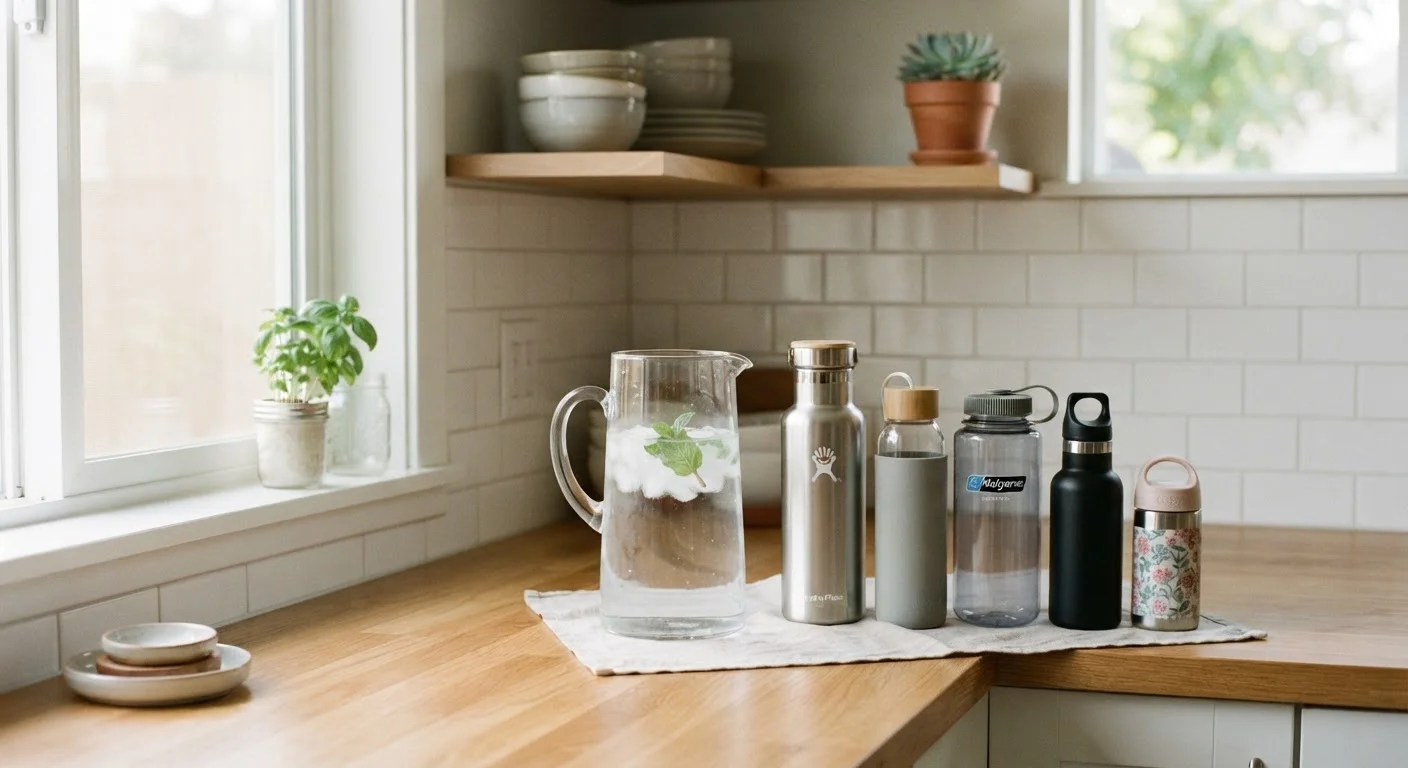
Practical strategies that work for most households include keeping a filled pitcher in the refrigerator, pairing water with every meal, and assigning reusable bottles to each family member. Children respond well to visible cues; a bottle on the kitchen table or in a backpack pocket serves as a prompt without requiring reminders from adults.
Hydration also connects directly to how the body handles physical activity. Families who spend time walking, playing outdoors, or doing yard work should treat water intake before and after those activities as part of the activity itself, not an afterthought. For more on how everyday movement affects health outcomes, see our overview of incidental movement and long-term health.
Children and older adults need extra attention
Young children cannot reliably report thirst, and older adults often have a diminished thirst response. Both groups can become dehydrated faster than healthy adults. Parents and caregivers should offer fluids proactively throughout the day rather than waiting for a request. Anyone managing a chronic condition should speak with a healthcare provider about specific fluid needs.
Hydration fits within a broader set of preventive habits that cost little but accumulate real benefit over years. The preventive health habits worth building early include consistent hydration alongside sleep, movement, and dental hygiene. Starting with water is one of the simplest places to begin.
This article is for general informational purposes only and does not constitute medical advice. Consult a qualified healthcare professional for guidance specific to your health circumstances or those of your family members.

Author
Health & Wellness Editorial Team
Health & Wellness Editorial Team is the collective byline for our editorial team and contributor network. Articles published under this byline or an editorial pen name are researched, written, and reviewed according to our editorial standards for clarity, consistency, and independence before publication.
View all articles